
 Find Your location




Table of Contents
When your air conditioner is broken, you can get it fixed—but what can you do if it just isn’t working as efficiently as you hoped it would?
You should start by understanding what factors influence air conditioner efficiency, such as frequency of maintenance, SEER rating, and more. Understanding these will help inform whether or not yours needs repair or just a little boost.
In this blog, we’ll go over five factors that affect your air conditioner’s efficiency so you can better understand your unit—let’s get learning!
1. Seasonal Energy Efficiency Ratio Rating
Seasonal Energy Efficiency Ratio (SEER) is calculated by dividing your unit’s cooling output by the amount of energy it uses. Essentially, this metric tells you how hard your unit had to work to do its job—a score of 13 is considered the minimum.
When shopping for an air conditioning system (or evaluating your existing one) consider 13 as the acceptable benchmark. Installing a unit with a score higher than 13 will likely give you some or all of the following benefits:
- Reduced carbon footprint
- Lowered utility bill costs
2. Air Conditioner Unit Size
Next, consider an air conditioner’s size in relation to your home. Is your unit right for your space, or being over-extended to cool things down?
For example, installing a large central air conditioning system will ensure cool air is distributed throughout bigger homes efficiently. Comparatively, using a localized conditioner in the same home likely wouldn’t lead to as effective results.
3. Temperature Setting
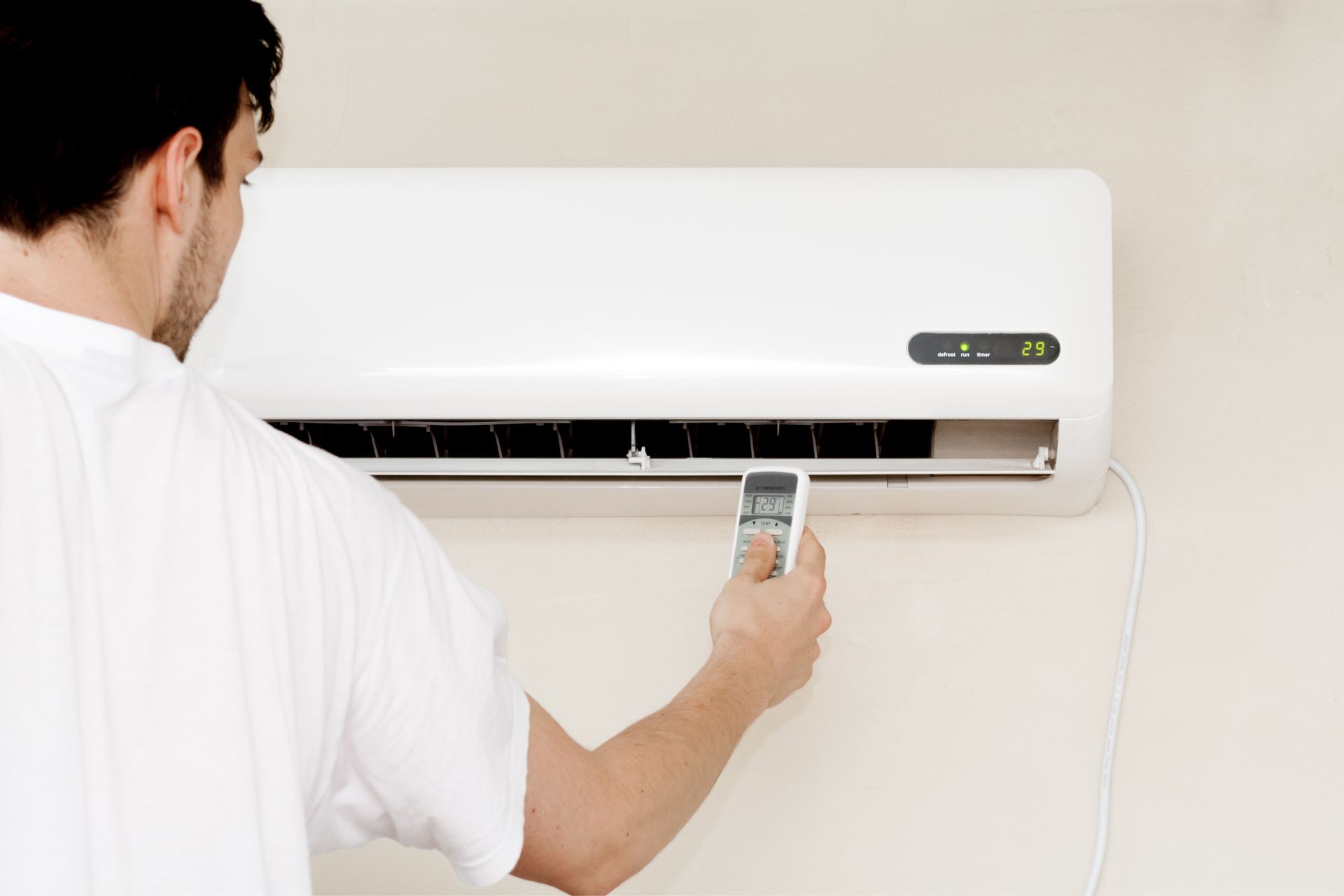
Your thermostat affects the air conditioner’s performance—the lower the temperature, the more energy your cooling system will use.
As you look to evaluate the energy efficiency of air conditioners, make sure you’re taking into account the commands it’s receiving. Setting a thermostat lower than it needs to be will put excessive strain on your air conditioning unit.
4. Poor Airflow
Treat your air conditioner as if it has a set of lungs; it needs proper breathing or ventilation for maximum efficiency.
A clean AC is vital to maintain its impressive performance at home—this is especially true for central air conditioners pumping air throughout your house. Without regular cleaning, the air handler will use more energy to compensate for the poor airflow.
5. Maintenance Frequency
Regular cleaning and diagnostic tests can make or break your unit, both from an efficiency and functional perspective.
Without regular maintenance, your AC will need repairs and part replacements more often. Both of these are pricier and take longer than a quick tune-up. Be proactive!
How to Improve Air Conditioner Efficiency
Ultimately, these metrics can only do so much if you don’t use them to inform purchasing or maintenance decisions. Here are five practical tips you can implement!
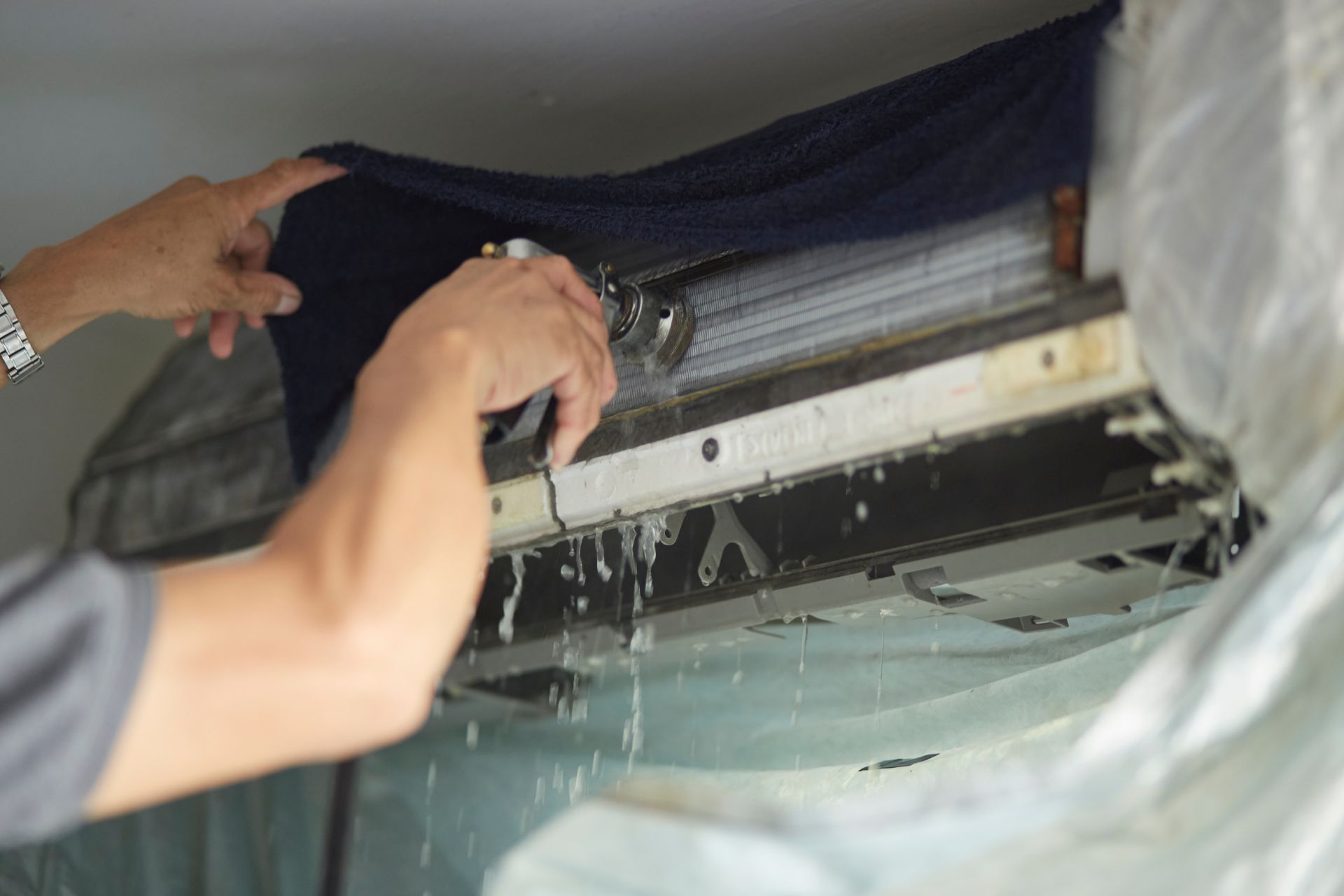
1. Schedule Air Conditioning System Maintenance
Can you remember when you last had an HVAC maintenance service at home?
The frequency will depend on your unit, but usually occurs yearly, quarterly, or monthly. During the upkeep, your HVAC technician will do the following:
- Clean coils, drains, and enclosed compartments
- Examine safety controls
- Test thermostat connections
- Run diagnostics for each AC part
Regular maintenance keeps complications away—remember this saying forever because you’ll benefit greatly from it. On top of it all, your air conditioner efficiency stays high!
2. Choose the Correct Unit Size for Your Home
When buying a new air conditioner, consider the unit’s size to maximize efficiency. Here are two things you should keep in mind:
- Smaller units are best for cooling individual rooms
- A central air conditioner or oversized unit is for cooling an entire home
Looking at specs and features is key. You’ll find sections dedicated to its preferred room size, approximate energy capacity, and projected prices here. This information will help you determine the best AC unit and model fit for your household—just be sure to have a professional HVAC technician install the AC!
3. Use a Programmable Thermostat
Want to take your home efficiency to the next level? Install a programmable thermostat!
This device helps in energy conservation because it automatically adjusts to ideal temperature of the room based on the cooling demand of your home. Additionally, your air conditioner efficiency will improve as the thermostat keeps it from using unnecessary energy.
4. Free Up Your AC’s Airflow
Improve your air conditioner efficiency rating and reduce indoor pollutants by freeing up your unit’s airflow. You can do this yourself!
Remove and clean dirty filters, sweep off debris near the condenser unit, and check the ductwork for air leaks. Doing all these will help your AC maintain steady airflow and deliver cool air without using too much energy.
Book a Maintenance Appointment With LG Home Comfort
The benefits of improved air conditioner efficiency are plentiful: lower cooling costs, reduced carbon emissions, and a more comfortable home.
The best way to ensure yours stays working as it should—or to get a new AC unit—is by contacting LG Home Comfort! Our experienced HVAC technicians are happy to teach you how to improve air conditioner efficiency. We’re also here to help you achieve an energy-efficient home through our expert installation and maintenance services.
Get a quote when you contact us today!

HVAC Tips & Updates
Get seasonal maintenance reminders

Why Choose Us
-

4.9/5.0 Rating
500+ Reviews
-

Licensed & Insured
Fully Certified
-

Award Winning
2025 Excellence
Search Articles



 1-866-438-5442