
 Find Your location


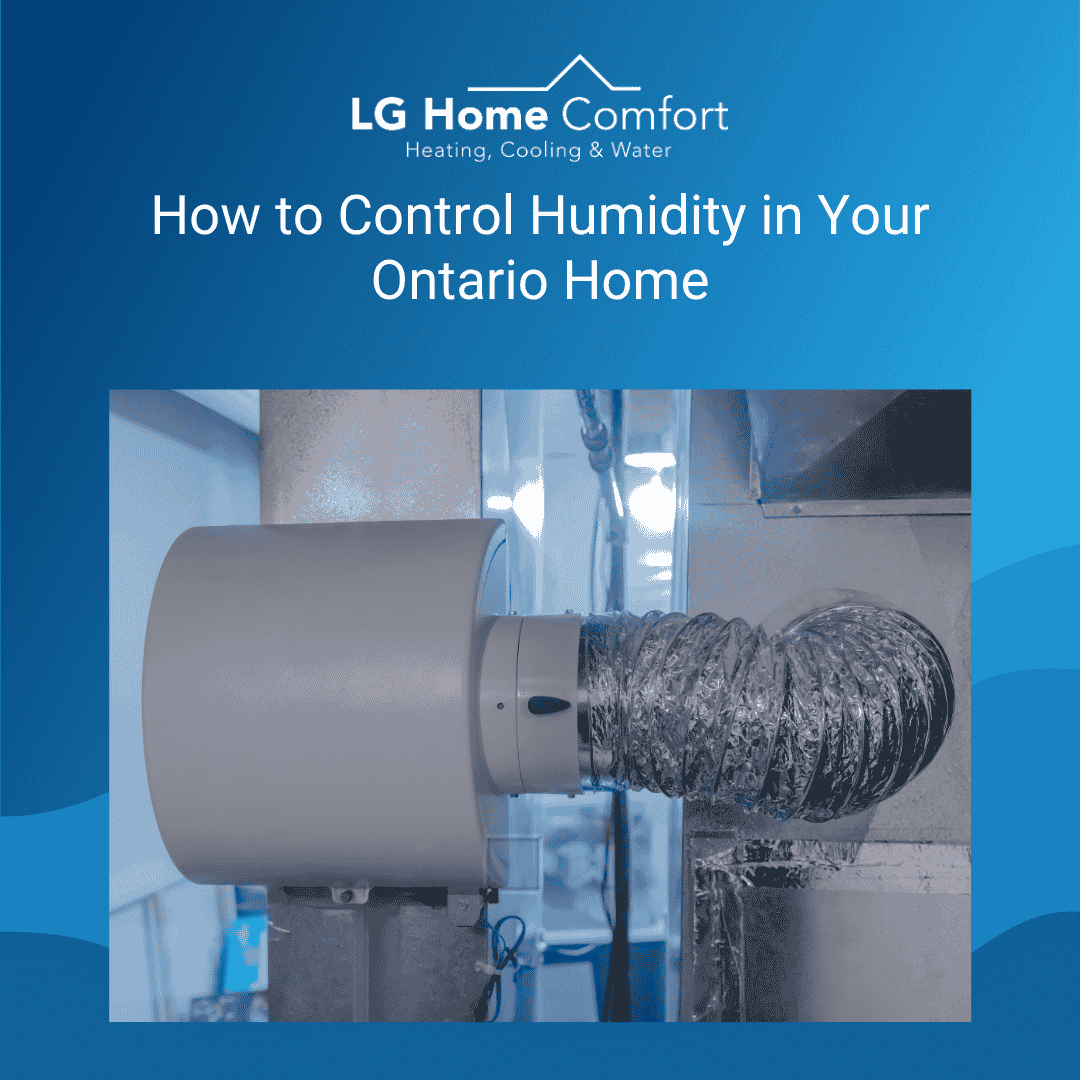

Table of Contents
Humidity. It’s the invisible menace turning your Ontario home into a sticky jungle in summer and a static-filled desert in winter. One minute your hardwood floors are warping, the next your skin feels like parchment paper. So how do you strike the right balance?
At LG Home Comfort, we’ve helped homeowners across Ontario tackle humidity issues head-on. Whether you’re dealing with damp basements in Hamilton or bone-dry bedrooms in North York, we’re breaking down the ultimate HVAC-backed guide to controlling humidity at home—without breaking a sweat.
Why Humidity Control Matters in Ontario
Humidity is more than just a number on your thermostat—it’s a key factor in your home’s comfort, energy efficiency, and indoor air quality.
When humidity is too high:
- It feels hotter than it actually is (hello, sweaty sheets).
- Encourages mold growth, dust mites, and musty smells.
- Leads to wood rot, warped floors, and peeling paint.
- Can worsen asthma and respiratory issues.
When humidity is too low:
- You’ll experience dry skin, static shocks, and even cracked furniture.
- Increases the risk of irritated sinuses, nosebleeds, and allergies.
- Makes your heating system work harder in the winter.
Ideal indoor humidity level?
- Summer: 30–40%
- Winter: 40–50%
- EPA recommends keeping things between 30% and 50% year-round.
Time to find your humidity sweet spot—and stick to it.
1. Install a Whole-Home Dehumidifier or Humidifier
Let’s start with the MVPs of moisture management.
Dehumidifiers:
These remove excess moisture from the air, especially useful during humid Ontario summers. They help:
- Prevent mold and mildew
- Improve sleep quality
- Keep your AC from overworking
Pro tip: Portable units are okay, but for full-home efficiency, a whole-home dehumidifier integrated into your HVAC system is king.
Humidifiers:
Winter in Ontario is basically one long dehydration session. A whole-home humidifier helps:
- Keep skin and airways from drying out
- Reduce static shocks
- Protect wood floors and furniture
For best results, pair with a humidistat for automatic monitoring.
2. Use a Hygrometer (Humidity Monitor)
This $10–$30 gadget tells you exactly what your home’s humidity level is. Mount one in common trouble spots like:
- Basement
- Bathroom
- Kitchen
- Bedrooms
Keep a log for a week. You might be shocked (pun intended) how much it fluctuates between rooms.
3. Run Your Air Conditioner Strategically
Fun fact: air conditioners don’t just cool your home—they pull moisture out of the air while doing it. But here’s the catch:
- Oversized ACs cool too quickly and don’t run long enough to dehumidify effectively.
- Undersized units run constantly, hiking up your energy bill without giving comfort.
At LG Home Comfort, we right-size every system we install. No more swampy afternoons or Sahara-like nights.
4. Improve Ventilation with Exhaust Fans
Humidity loves stale, trapped air. Install or upgrade exhaust fans in:
- Bathrooms (run for at least 20 minutes after a shower)
- Kitchens (especially while cooking or boiling)
- Laundry rooms
Bonus tip: Make sure fans vent outside, not just into your attic or wall cavity. Otherwise, you’re just moving the moisture party around.
5. Seal Leaks and Water Intrusion
A leaky pipe, roof, or foundation is an open invitation for mold and indoor humidity. Inspect these often:
- Plumbing joints under sinks
- Basement corners and sump pumps
- Attic insulation (look for wet spots or mold)
- Roof flashing and gutters
Pro move: Use a moisture meter to detect hidden damp zones behind walls or floors.
6. Adjust Daily Habits That Spike Humidity
It’s not just the machines—it’s you. (Sorry.)
Shower smarter:
- Take shorter, cooler showers
- Keep the bathroom door open when done
- Always use the exhaust fan
Cook strategically:
- Cover pots and pans
- Avoid boiling/frying on super-humid days
- Grill outdoors when possible
- Run the range hood fan
Dry laundry outdoors:
Indoor drying = airborne moisture. Try an old-school clothesline (if your neighbourhood allows) or use a dryer with proper venting.
7. Add Humidity-Absorbing Materials
For the DIY crowd, here are a few budget-friendly tricks to tackle specific rooms:
- Charcoal briquettes: Place in a coffee can under the sink
- Baking soda: Leave in bowls near windows or problem areas
- Rock salt: Set up a two-bucket dehumidifier for basements
- Non-dairy creamer: Surprisingly effective as a desiccant
- Silica gel: Great for closets and storage rooms
These aren’t replacements for HVAC upgrades, but they’re handy for tight spaces and quick fixes.
8. Embrace Humidity-Controlling Houseplants
Not all plants are created equal. While some add humidity, others absorb moisture through transpiration.
Top moisture-slurping picks:
- Peace Lily
- Boston Fern
- Spider Plant
- English Ivy
- Orchids
- Cactus (yes, really)
Place them in steamy areas like bathrooms, laundry rooms, or kitchens for passive moisture control.
9. Open Windows (But Only When It Makes Sense)
Yes, fresh air is good—but only when outdoor humidity is lower than indoor levels.
Use your hygrometer:
- If it’s drier outside → open windows and cross-ventilate
- If it’s muggy → keep them closed and let your HVAC system do the work
Bonus: on breezy days, this helps eliminate indoor odors and stale air.
10. Upgrade to Smart Thermostats with Humidity Sensors
Some smart thermostats monitor and control humidity automatically, adjusting:
- Compressor speeds
- Fan cycles
- Heating/cooling output
It’s like cruise control for your home’s climate. Set it and forget it.
Signs Your Humidity Levels Are Out of Whack
Here’s your cheat sheet:
High humidity clues:
- Musty smell or mold spots
- Condensation on windows
- Warped wood or sticky floors
- Allergy flare-ups
- Trouble sleeping
Low humidity clues:
- Cracked lips or dry skin
- Bloody noses or irritated sinuses
- Static shocks galore
- Gaps in hardwood flooring
- Paint peeling off walls
If your home feels off, don’t blame the weather—blame the humidity.
Final Thoughts: Don’t Sweat It—Let LG Home Comfort Help
Humidity control isn’t just about comfort—it’s about protecting your health, your home, and your HVAC investment.
Whether you need a new whole-home dehumidifier, a smarter thermostat, or just some expert advice on indoor air quality, the team at LG Home Comfort is here for Ontario homeowners year-round.
🔗 Related Resources from LG Home Comfort:
- Air Conditioner Installation in North York
- Whole-Home humidifier Installation Services
- Best Indoor Air Quality Monitors in Ontario
Ready to reclaim your comfort?
Get in touch with LG Home Comfort today and schedule your humidity control consultation. We’ll help you find your ideal 40-ish percent—without the guesswork or the swampy socks.

HVAC Tips & Updates
Get seasonal maintenance reminders

Why Choose Us
-

4.9/5.0 Rating
500+ Reviews
-

Licensed & Insured
Fully Certified
-

Award Winning
2025 Excellence
Search Articles




 1-866-438-5442