
 Find Your location


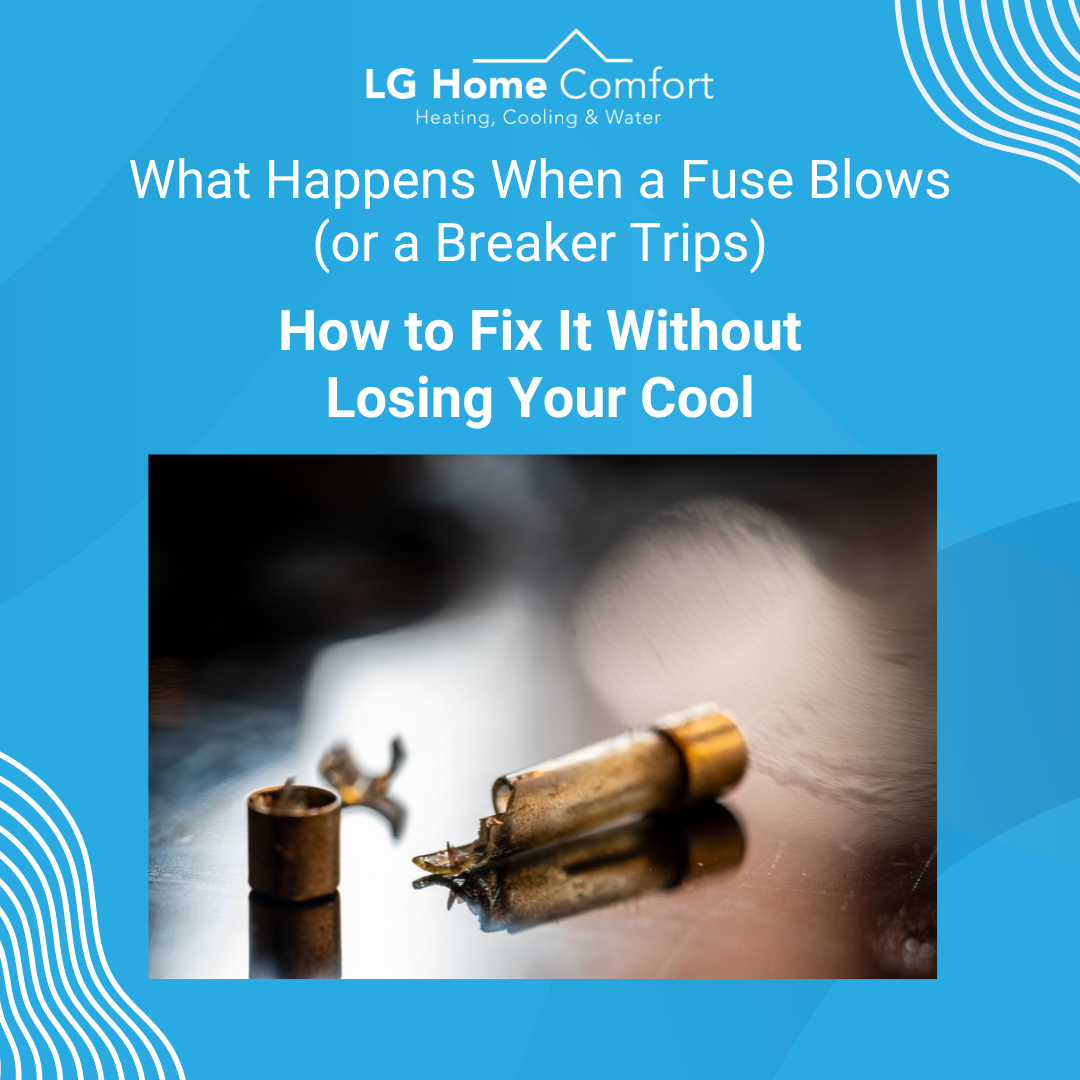

Table of Contents
So you’re halfway through binge-watching your favourite show, or just popped your famous lasagna in the oven—and bam, lights out. The power’s gone, your mood’s gone with it, and your house is eerily quiet.
Chances are, your home didn’t betray you—your fuse or circuit breaker did its job to protect your electrical system. But now you’re stuck wondering what to do next. Don’t worry. We’ve got you.
At LG Home Comfort, we’ve helped countless Ontario homeowners deal with these exact “why now?!” moments. This guide covers everything you need to know about blown fuses, tripped breakers, how to fix them, and when to call in the pros.
The Basics: What Even Happened?
Let’s keep it simple:
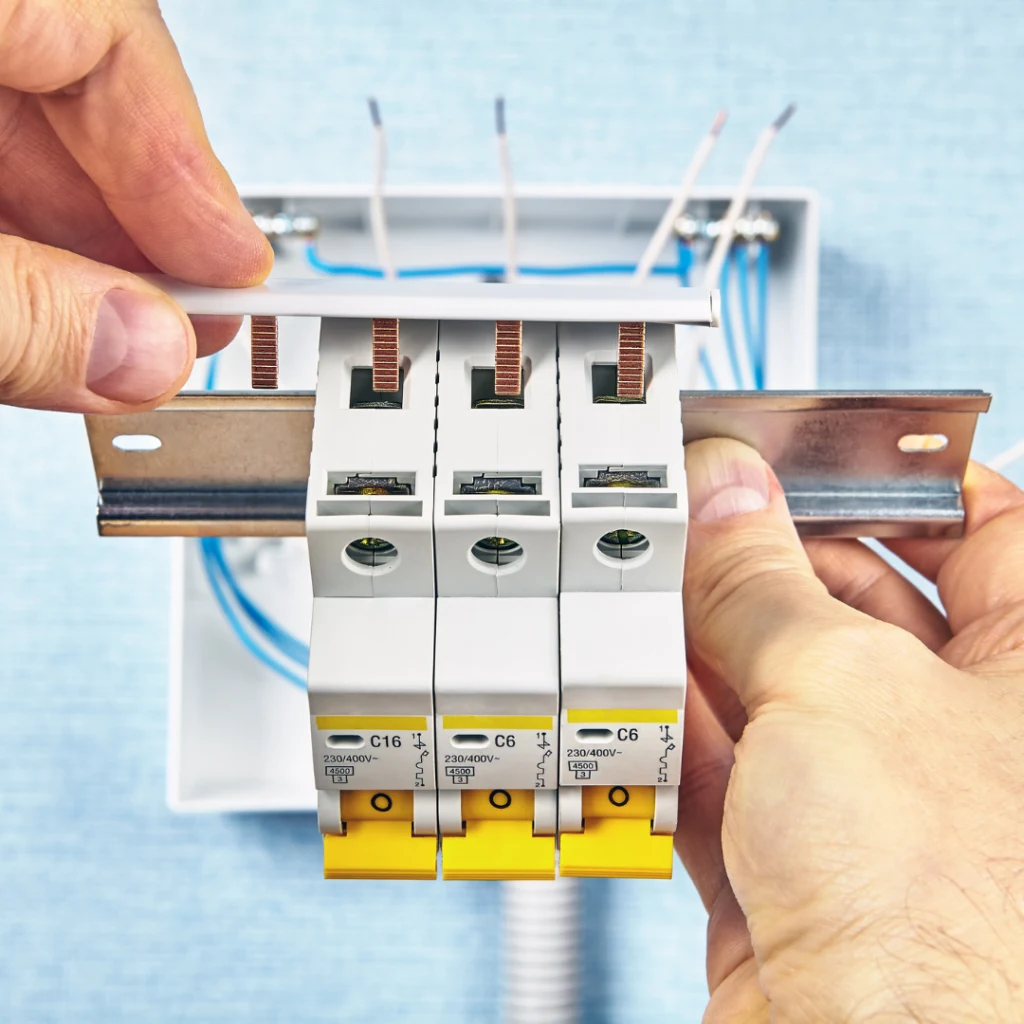
- A circuit breaker is a resettable switch that cuts power when it detects overloads or faults.
- A fuse is a one-time-use safety device that burns out when things get too heated—literally.
Both exist to prevent fires, equipment damage, and expensive repairs. When one trips or blows, it’s not a glitch—it’s a built-in safety feature.
Fuse vs. Breaker: What’s the Difference?
Circuit Breakers
- Found in modern homes
- Trips when there’s too much current
- Can be reset manually
- Usually in your breaker panel (aka service panel)
Fuses
- Found in older homes
- Has a metal strip that melts when overloaded
- Must be replaced when blown
- Lives in the fuse box (often next to the breaker panel if the home was updated partially)
Quick Tip: If you’re unsure what your home uses, take a peek at your electrical panel. No screw-in glass fuses? You’ve got breakers.
Top Reasons Why Fuses Blow or Breakers Trip
Think of it like this—your home’s electrical system is trying to keep up with your modern lifestyle, but sometimes things get…overwhelming.
- Circuit Overload
This is the big one. Plugging too many devices into the same outlet (like your space heater, blender, and air fryer) can overwhelm the circuit. The system says, “No thanks,” and cuts the power.
- Short Circuit
This happens when a hot wire touches a neutral wire, sending an intense surge of electricity. The fuse breaks or the breaker trips instantly.
- Ground Fault
A hot wire comes into contact with a grounded part of your home, like a metal box or ground wire. It’s unsafe and your system knows it.
- Arc Fault
These are sparks caused by damaged wiring. They can lead to fires, which is why AFCI breakers are standard in many newer homes.
️ How to Reset a Tripped Breaker (Without Freaking Out)
If a section of your home loses power but the rest is fine, here’s what to do:
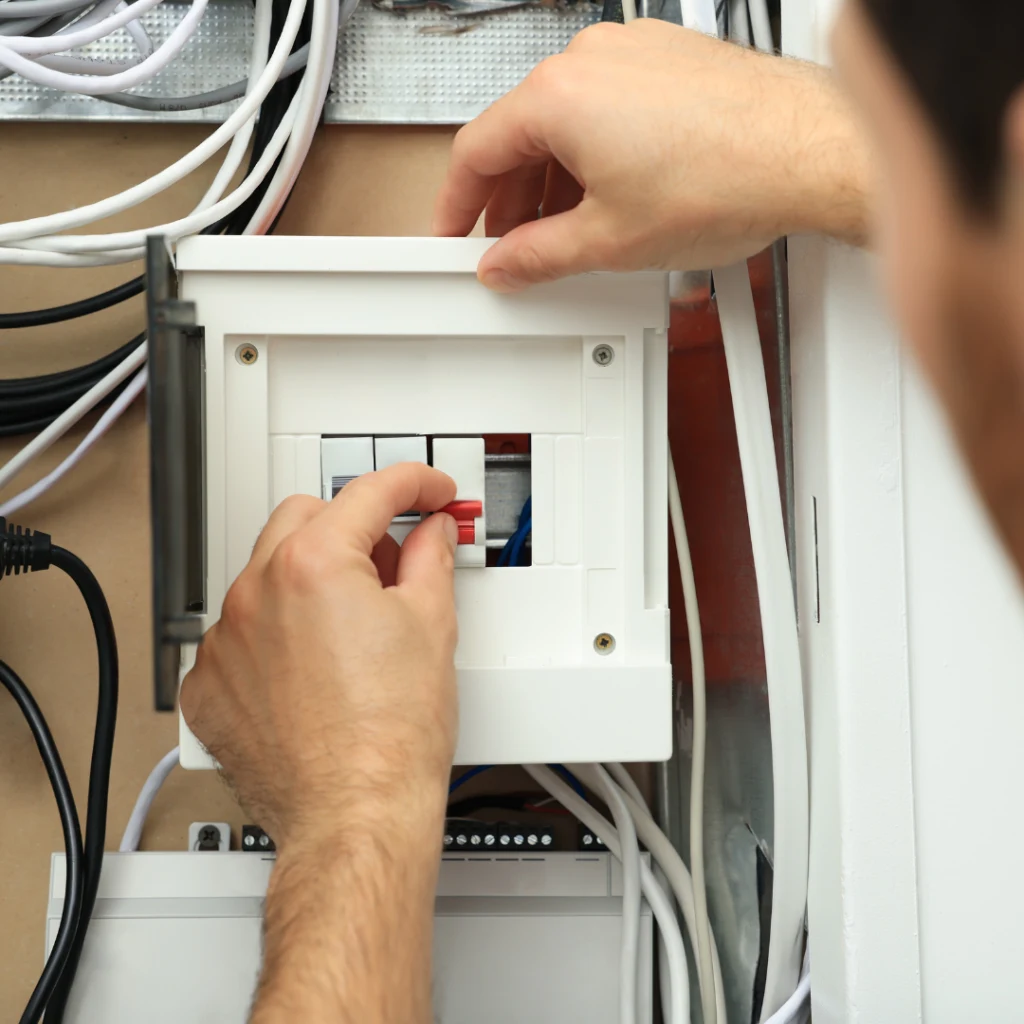
- Locate the Breaker Panel
You’ll usually find it in the basement, laundry room, garage, or utility closet. - Look for the Offender
A tripped breaker usually rests between “ON” and “OFF” or looks a little looser than the others. - Unplug Devices First
To avoid another trip, unplug or turn off anything on the affected circuit. - Reset the Breaker
Flip it fully to “OFF,” then back to “ON.” Done right, it should click into place. - Test the Circuit
Plug devices in one at a time. If the breaker trips again, don’t force it—call a licensed electrician.
How to Replace a Blown Fuse (Safely)
Still rocking a fuse box? No problem. Here’s how to deal with a blown fuse without getting zapped.
- Turn Off the Main Power
Safety first. Flip the main switch to off before touching any fuses. - Find the Blown Fuse
Look for discoloured glass, melted metal, or one that looks different than the rest. - Remove It Gently
Unscrew the fuse (usually counter-clockwise). - Insert a New One (Same Rating!)
Never use a fuse with a higher amp rating. That’s like using duct tape to fix a pipe leak—it might work until disaster strikes. - Turn the Power Back On
If everything powers up, great. If not—especially if it blows again—there’s a deeper issue. Time to call in the pros.
When to Consider an Electrical Panel Upgrade
Here’s the thing—your 30-year-old fuse box isn’t winning any awards for modern efficiency.
You should consider upgrading if:
- Your breakers or fuses trip regularly
- There’s rust, corrosion, or burn marks in the panel
- You’re planning home renovations or buying new appliances
- Your panel is older than dial-up internet
Pro Insight: Modern panels are safer, handle more load, and often required for home insurance renewals.
Fuses & HVAC Systems—The Connection
HVAC systems draw a lot of power. If your air conditioner, furnace, or heat pump stops working, and a fuse blows or breaker trips, it could be:
- A bad capacitor
- Shorted wiring
- Dirty air filters causing overload
In many cases, this isn’t a simple fix. You’ll want a licensed HVAC technician (like us!) to investigate and prevent further damage.
Tips to Prevent Future Power Interruptions
Want to avoid fuse drama in the future? Here’s how to stay on the safe side:
- Spread out electrical loads
- Don’t piggyback power strips
- Install surge protectors
- Have your home wiring inspected regularly
- Label your breaker panel clearly (thank yourself later!)
- Upgrade old systems proactively—not reactively
Don’t DIY Dangerously—When to Call an Electrician
If you:
- Keep blowing the same fuse
- Hear buzzing from your panel
- Smell burning or see smoke
- Just don’t feel confident touching your panel
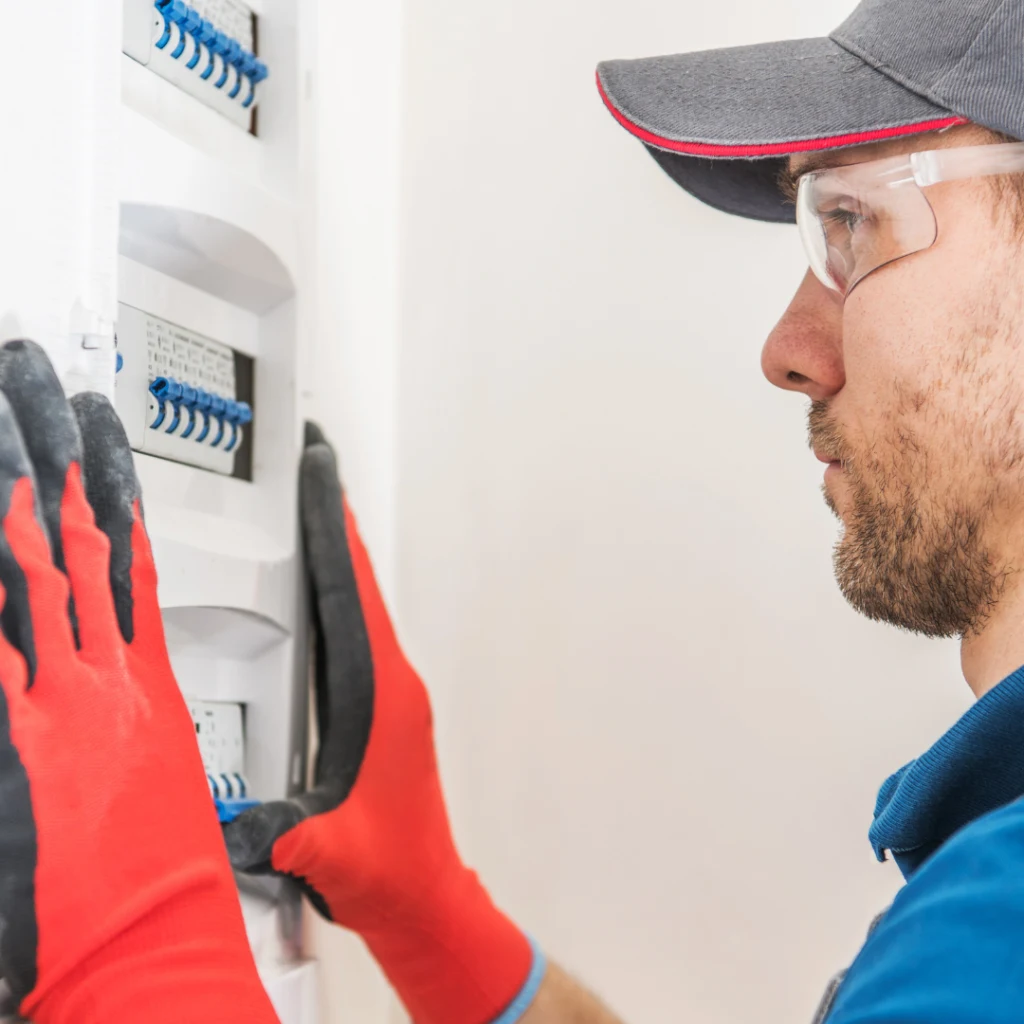
Stop. Call in a licensed Ontario electrician. Your home (and your eyebrows) will thank you.
Final Thoughts: Fuses Blow, But You Shouldn’t
Blown fuses and tripped breakers are part of homeownership—but now you know how to tackle them confidently and safely. Still, when in doubt, it’s always best to call a professional.
At LG Home Comfort, we don’t just fix HVAC systems—we handle the electrical side of home comfort too. From panel upgrades to HVAC fuse diagnostics to whole-home safety inspections, we’ve got your back.
Serving Ontario Communities Like:
- Kitchener
- Waterloo
- Guelph
- Cambridge
- London
- Brampton
- Mississauga and more!
Need Help Now?
Book your inspection or electrical service online with LG Home Comfort, or call us today to talk to a licensed expert who won’t shock you (pun intended).

HVAC Tips & Updates
Get seasonal maintenance reminders

Why Choose Us
-

4.9/5.0 Rating
500+ Reviews
-

Licensed & Insured
Fully Certified
-

Award Winning
2025 Excellence
Search Articles



 1-866-438-5442